


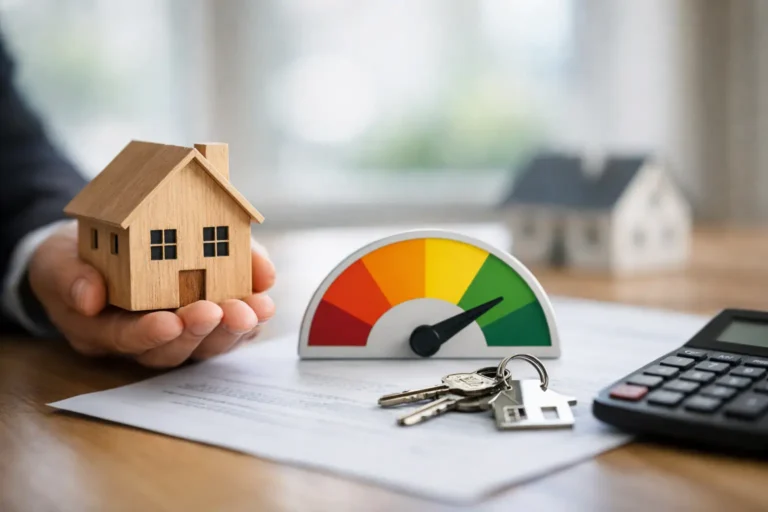
A 740 score can make a buyer feel ready, while a 610 score can make the goal seem out of reach. Neither assumption tells the whole story. When buyers ask what credit score buys a house, the practical answer is that no score buys a home by itself. Your score helps determine which loan programs may be available and the terms a lender may offer, but your income, monthly debt, down payment, savings, employment history, and the property itself matter too.
For buyers in the Coastal Carolinas, knowing the realistic score ranges before beginning a home search can prevent wasted time and help turn a future plan into a workable purchase plan.
What credit score buys a house in practical terms?
There is no single minimum score that applies to every buyer or every lender. Loan programs set baseline guidelines, but lenders can set additional requirements. That means a buyer may qualify with one lender and not another, even when the loan type is the same.
A score of 620 or higher is often the starting point for a conventional mortgage. Many buyers aim higher because stronger credit can expand loan options and may improve the interest rate offered. Still, a 620 score is not a guaranteed approval, and a score below 620 does not automatically end the conversation.
FHA loans are commonly used by first-time buyers and buyers rebuilding credit. The basic FHA guideline allows a score of 580 or above with a 3.5% down payment. Scores from 500 to 579 may be eligible with 10% down, although many lenders apply stricter internal standards and may not offer that option.
VA loans do not have a minimum score set by the Department of Veterans Affairs. Individual lenders do set their own benchmarks, often around 620. Eligible veterans, service members, and surviving spouses should not assume they need a perfect score before exploring this benefit.
USDA loans can be an option for eligible properties in qualifying areas. While USDA does not publish one universal minimum score, a 640 score often supports a smoother automated underwriting review. Property location and household income eligibility are equally significant for this program.
Jumbo loans, which exceed conventional loan limits, frequently call for stronger credit profiles. A score of 700 or more is common, and some situations call for an even higher score, more funds in reserve, or a larger down payment.
Your mortgage score may not match the app on your phone
One of the most frustrating surprises for buyers is seeing a score online and receiving a different score during mortgage preapproval. This does not necessarily mean anyone made a mistake.
Mortgage lenders generally use credit scoring models designed for home lending, while the score shown through a bank, credit card, or consumer app may use a different model. The numbers can vary. Lenders also typically review reports from all three major credit bureaus and use the middle score for one borrower.
For two borrowers applying together, lenders usually use the lower middle score to qualify the loan. If one buyer has a 735 middle score and the other has a 625 middle score, the 625 score is often the one that drives eligibility. That does not mean the higher-scoring buyer is irrelevant. Both incomes, assets, and debts can still affect the overall file.
The best move is to get a mortgage-focused review early. Sharon Chrzanowski‘s mortgage experience gives buyers an added layer of practical guidance when they need to understand what a score means for their next step, rather than relying on a general consumer score alone.
A qualifying score is only one part of approval
Credit scores tell a lender how a borrower has handled credit over time. They do not show whether the proposed housing payment fits comfortably within the borrower’s current financial picture. That is why approval decisions go beyond the number.
Debt-to-income ratio is a major consideration. This compares your required monthly debt payments with your gross monthly income. Car loans, student loans, credit card minimums, personal loans, and some other obligations can reduce the amount you are able to borrow, even with a strong score.
Your down payment and available savings matter as well. A larger down payment can sometimes strengthen an application, but buyers should avoid putting every dollar into the transaction. Lenders may want to see that you have funds available after closing, and homeowners need room for moving costs, repairs, furnishings, and ordinary surprises.
Employment and income documentation must support the loan. A recent job change is not always a problem, especially when it is within the same line of work, but it should be discussed before assuming the income will qualify. Self-employed buyers, buyers with variable income, and buyers relocating from out of state may need additional documentation.
Finally, the home has to meet lender standards. An appraisal establishes value for lending purposes, while certain loan programs may require the property to meet condition requirements. A buyer can have excellent credit and still need a clear strategy if an appraisal or property-condition issue appears.
Score ranges and what they can mean for buyers
A score below 580 may require a longer preparation period or a conversation about specialized lending options. The right answer depends on the reasons behind the score, the down payment available, and whether errors or recent changes are affecting the report.
From 580 to 619, FHA financing may be possible for qualified buyers, subject to lender requirements. This range can be a practical path for buyers with steady income and manageable debts who are working to establish a stronger history.
From 620 to 679, conventional financing may become available, along with many VA options for eligible borrowers. Buyers in this range should still compare loan scenarios carefully because small score improvements can make a meaningful difference in monthly payments and long-term borrowing costs.
At 680 to 739, buyers often have a broader selection of conventional loan options, assuming the rest of the file is in good shape. At 740 and above, borrowers commonly access the most favorable conventional lending tiers. Even then, high balances, recent late payments, or a high debt-to-income ratio can affect the result.
These ranges are useful planning tools, not promises. Your lender’s review is the source for an actual qualification decision.
How to improve your mortgage readiness before applying
If your score is close to a key threshold, avoid making quick financial moves without advice. Paying off a balance can help in some cases, but closing an old account or moving money without documentation can create new questions. The goal is not simply to raise a score. It is to present a stable, well-documented borrower profile.
Start by reviewing all three credit reports for inaccurate accounts, incorrect late payments, duplicate collections, or balances that do not match your records. Disputes can take time, so begin well before you hope to make an offer.
Next, focus on on-time payments. Payment history has a significant effect on credit scores. Set up reminders or automatic payments if needed, and do not let a small bill become a late mark while you are preparing to buy.
Keep credit card balances low relative to each card’s limit. A buyer who pays cards in full each month can still show high utilization if balances are reported before payment is made. Ask a mortgage professional how timing may affect your application before making changes.
Do not open new accounts, finance furniture, buy a vehicle, or co-sign for someone else while preparing for a mortgage unless your lender has reviewed the impact. New credit inquiries and new monthly obligations can change a loan decision quickly.
Get preapproved before you get attached to a home
A preapproval is more useful than a quick online estimate because it reviews documentation, credit, income, assets, and debts. It gives you a realistic range to shop within and helps identify issues early, when there is time to solve them.
For buyers considering Conway, Myrtle Beach, North Myrtle Beach, Brunswick County, or nearby coastal communities, this planning matters because property choices can vary widely. A condominium, manufactured home, new-construction property, vacation home, or primary residence may each involve different lending considerations. The property type should be part of the financing conversation from the beginning.
A good real estate team helps connect the search strategy to the financing strategy. That means focusing on homes that fit the approval plan, preparing a strong offer when the right property appears, and responding quickly if lender questions arise.
Your credit score is a starting point, not a verdict. Get clear on your real numbers, protect your financial profile while you shop, and ask for guidance early. Success is one call away when you have a plan built for the home and loan that fit your situation.
