


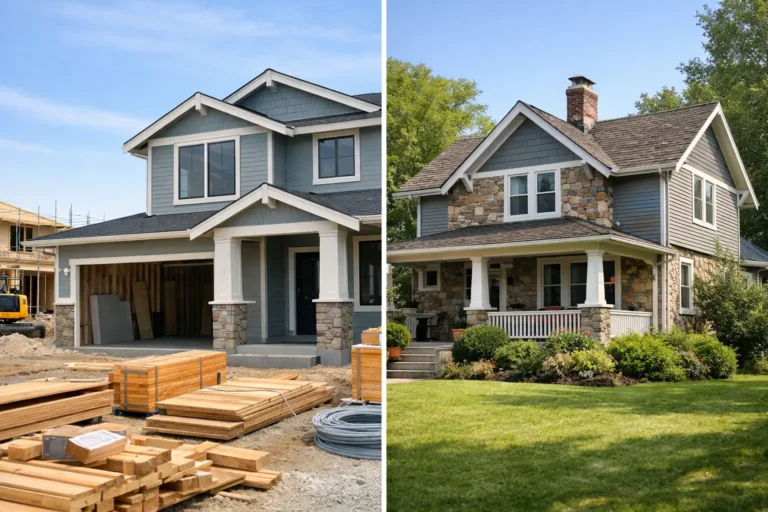
A move-in-ready new build can look like the easy answer: clean finishes, modern systems, and no previous owner’s repairs to inherit. But new construction versus resale is not simply a choice between new and old. It is a decision about timing, location, flexibility, maintenance, financing, and how much uncertainty you are prepared to manage before closing.
For buyers in the Coastal Carolinas, the right home may be a freshly built property in a growing community, or it may be an established home closer to the water, work, schools, family, or the amenities you use every week. The strongest decision starts with your priorities, not the model-home experience.
New Construction Versus Resale: Start With Your Timeline
A resale home typically offers a more defined path to closing. The home is built, the neighborhood is established, and you can evaluate the actual property you intend to purchase. Once your offer is accepted and inspections, financing, and other contract requirements are complete, the transaction can move forward on a relatively predictable schedule.
New construction timelines vary widely. A completed spec home may be available soon, while a home built from the ground up can take many months. Weather delays, permit schedules, material availability, labor capacity, and builder timelines can all affect the completion date. In coastal areas, storm season can add another layer of scheduling uncertainty.
That does not make a new build the wrong choice. It simply means buyers need a realistic plan. If you are relocating for a job, selling another home, ending a lease, or trying to coordinate a school-year move, ask for the expected completion window in writing and discuss what happens if that date changes.
A resale purchase may better serve a buyer who needs a home within a clear window. A new build can be a great fit for someone with flexibility, temporary housing options, or a preference for a particular community that is still being developed.
What You Can See Before You Commit
With a resale home, you are evaluating the real thing. You can walk the lot, observe traffic patterns, see how close neighboring homes are, check natural light at different times of day, and get a feel for the established streetscape. You can also review the home’s visible condition and use inspections to understand its systems, maintenance needs, and potential repairs.
A new construction buyer may be working from floor plans, renderings, a model home, and a selection package. These tools are helpful, but they are not the same as walking through the finished house on its final lot. A model may include upgraded flooring, lighting, cabinetry, appliances, and landscaping that are not included in the home you are buying.
Ask direct questions about what is standard, what is selected, what remains to be selected, and what is excluded. Confirm the lot boundaries, driveway placement, easements, drainage features, and the view from the rear of the home. In a community still under development, also ask what future phases, roads, amenities, and commercial activity are planned nearby.
Maintenance and Warranties: Advantage New, With Conditions
Newer homes often have an advantage in immediate maintenance. Roofs, HVAC equipment, water heaters, plumbing fixtures, appliances, and electrical systems are generally new. Modern construction may also include energy-efficient features and layouts designed for how people live now, such as open gathering spaces, larger closets, dedicated offices, and better storage.
Many builders provide warranties that cover certain components for specific periods. Read those documents carefully. A warranty is valuable, but it does not mean every issue is covered, every repair will happen immediately, or normal settling concerns will be handled the way you expect. Know the process for submitting a claim, the deadlines, and the builder’s responsibilities.
Resale homes may need earlier maintenance, especially if the house is older. Yet an older home is not automatically a risky home. A well-maintained property with documented updates can be an excellent choice. It may also offer mature landscaping, a larger lot, established trees, and a location that new developments cannot replicate.
The right question is not, “Which home will never need work?” Every home needs attention. The better question is, “What work is likely, when might it happen, and am I prepared for it?”
Inspections Still Matter on a Brand-New Home
One of the most costly assumptions a buyer can make is believing a new home does not need an independent inspection. New construction involves many trades working on a tight schedule. Even high-quality builders can have missed details, incomplete items, drainage concerns, or installation issues that should be identified before closing.
An independent inspection gives you another set of trained eyes focused on your interests. Depending on the home and construction stage, buyers may choose a pre-drywall inspection, a final inspection before closing, and an inspection near the end of the builder warranty period. Your agent can help coordinate access and make sure concerns are documented through the proper process.
For resale homes, inspections are equally central. The inspection period is your opportunity to understand the property beyond fresh paint and staging. In the Carolinas, buyers should pay particular attention to moisture, drainage, roofing, HVAC condition, crawl spaces, pest concerns, septic systems where applicable, flood exposure, and wind-related insurance requirements.
Financing and Contract Details Can Look Different
A builder’s contract is usually written by the builder. It may set strict deadlines for deposits, selections, financing approval, walkthroughs, and closing. It can also limit the changes a buyer may request when the home is nearing completion. Read every deadline closely before signing.
Some builders offer preferred lender or closing-provider programs and may provide incentives for using them. Those options can be worth evaluating, but buyers should still compare the full financing terms and understand the effect on their monthly payment, cash needed at closing, and long-term plans. Sharon Chrzanowski’s mortgage background helps buyers ask the practical questions early, before a contract deadline becomes a problem.
Resale contracts have their own moving parts, including inspection terms, appraisal requirements, seller disclosures, repair negotiations, and the timing of a current home sale. Neither route is automatically simpler. The important difference is that a resale transaction often centers on evaluating an existing property, while a new-build transaction requires close management of construction milestones and builder obligations.
Location May Decide the Question
Many buyers fall in love with a new home, then realize the commute, community layout, or distance from the places they value does not fit their daily life. This is especially relevant in fast-growing areas around Conway, Myrtle Beach, North Myrtle Beach, and Brunswick County, where new communities may offer current designs but sit farther from established services or preferred coastal locations.
Resale homes are more likely to be available in mature neighborhoods. You may find established sidewalks, larger trees, nearby shopping, familiar school routes, and a clearer sense of how the community functions year-round. For vacation-home buyers, an existing neighborhood can also make it easier to assess parking, rental patterns where permitted, beach access, traffic, and nearby construction activity.
New communities can bring their own advantages: newer amenities, cohesive home designs, sidewalks, community pools, and lower initial maintenance demands. Just look beyond the amenity center. Review homeowners association rules, anticipated dues, rental restrictions, parking rules, pet policies, and any community development requirements that affect your plans.
Customization Has a Deadline
Building from the ground up can allow you to choose finishes, cabinets, flooring, fixtures, and some structural options. That level of personalization is appealing, particularly for buyers planning to stay for many years. It also requires decisiveness. Selection deadlines arrive quickly, and changes after construction starts may not be possible.
A resale home gives you a different kind of flexibility. You can see the finished layout before making a decision, then update the home over time in the order that works for your household. That can be ideal for buyers who would rather choose improvements gradually than make dozens of design decisions before they have lived in the space.
Consider your temperament honestly. If choices energize you and your timeline is flexible, building may be rewarding. If you prefer certainty and want to know exactly what you are getting, resale may offer more confidence.
Make the Decision With a Clear Scorecard
Before touring homes, write down the factors that are non-negotiable: move date, preferred area, number of bedrooms, outdoor space, maintenance tolerance, community rules, flood considerations, and financing comfort. Then separate true needs from nice-to-haves.
A new home may win on systems, efficiency, and personalization. A resale home may win on location, established character, and a faster path to occupancy. Neither is universally better, and the wrong decision is choosing based only on a showroom kitchen or a fear of future repairs.
The Chrzanowski Team helps buyers compare both paths with local guidance, contract awareness, and hands-on support from search through closing. Success is one call away, but the best first step is simple: choose the home that supports how you need to live, not just how you want it to look on day one.
