


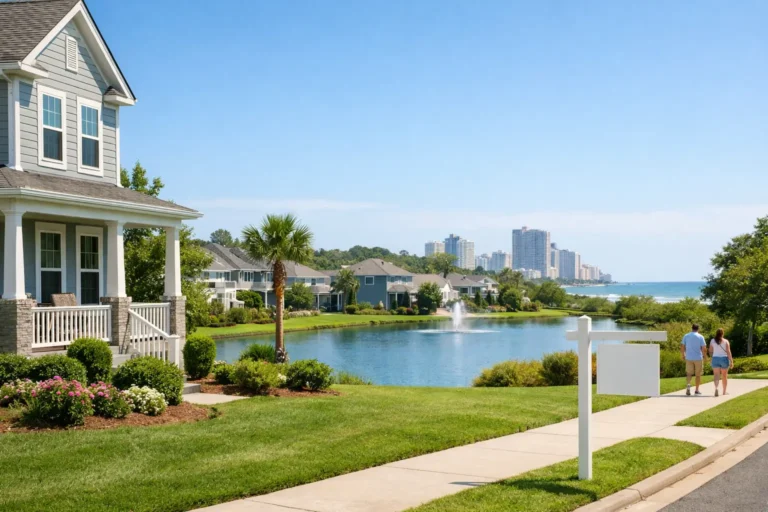
A five-mile difference in where you live near the Grand Strand can change your entire routine. It can mean a quicker route to the beach, a quieter evening, a different property style, or a drive that feels very different during peak visitor season. The best neighborhoods near Myrtle Beach are not one-size-fits-all. The right choice depends on how you plan to use the home and what must work well after closing day.
For some buyers, that means being close to restaurants, golf, and the ocean. For others, it means a larger homesite, a lower-maintenance townhome, access to medical services, or a practical commute toward Conway, North Myrtle Beach, or the South Carolina coast. Start with your daily life, then compare communities with a clear plan.
How to Compare the Best Neighborhoods Near Myrtle Beach
A neighborhood tour should be more than a drive past attractive homes. Visit at different times of day if possible. A route that feels simple on a weekday morning may look different on a summer weekend or during a major local event. Test the actual drive to work, favorite grocery stores, health care, airport access, and the places you expect to visit often.
Property type matters just as much as location. Myrtle Beach-area buyers can choose from detached homes, condos, townhomes, golf-course communities, waterfront properties, new construction, and homes with more land outside the beach corridor. Each option brings different maintenance expectations, association rules, parking arrangements, and insurance considerations.
Before you commit to a specific area, review the items that affect ownership and future flexibility. Ask about homeowners association documents, rental rules if that matters to your plans, parking limits, flood-zone designations, elevation information, and any known development nearby. For new construction, understand what is included, what is still being completed in the community, and what the builder timeline requires from you.
Myrtle Beach Communities for Convenience and Activity
Living in Myrtle Beach places you near the area’s most active dining, entertainment, beach access, and retail corridors. It is a practical choice for buyers who want a primary residence or second home close to the action, as well as those who prefer a lock-and-leave property with fewer exterior responsibilities.
The Market Common Area
The Market Common area is often a strong match for buyers who want shops, restaurants, parks, walking paths, and community events close to home. Housing choices can include townhomes, condos, and detached homes, giving buyers options based on their desired level of maintenance and space.
The trade-off is that convenience and activity can bring more traffic at certain times. If you are considering this area, check the exact location of the property within the community. A home near retail, recreation, or a main access road may offer convenience but a different day-to-day feel than a home on a quieter interior street.
Carolina Forest
Carolina Forest offers a broad range of neighborhoods, housing styles, and community amenities west of central Myrtle Beach. It can work well for buyers who want more residential space while remaining connected to shopping, dining, golf, and major roads leading toward the coast.
Because Carolina Forest covers a large area, one section can feel very different from another. Drive the specific route you will use most often, not just the main entrance. Buyers should also verify community rules, nearby construction activity, and the property’s location relative to the routes that fit their schedule.
North Myrtle Beach and Little River for a Coastal Pace
North Myrtle Beach provides a coastal setting with distinct areas such as Cherry Grove, Ocean Drive, and communities around golf, marina, and waterway locations. It appeals to buyers who want beach access without being in the center of Myrtle Beach’s busiest corridors. You will find everything from oceanfront condominiums to detached homes and newer planned communities.
Cherry Grove is known for its close connection to the beach and marsh environment. It can be an excellent fit when water access and coastal character lead your wish list. At the same time, buyers should be especially thorough about flood information, building condition, parking, access during weather events, and ongoing property maintenance needs.
Areas near the Intracoastal Waterway and Barefoot Resort can provide golf, boating access, and an amenity-focused lifestyle. These communities vary widely, so do not assume that a neighborhood name tells the entire story. Confirm the specific home’s association requirements, amenity access, rental policies, and any restrictions affecting boats, trailers, or vehicles.
Just north of North Myrtle Beach, Little River can offer a more relaxed waterfront and marina-oriented atmosphere. It is worth considering if you enjoy fishing, boating, local seafood restaurants, and a smaller-town setting while staying close to Grand Strand conveniences.
Conway for Space, Character, and Inland Access
Conway is a natural choice for buyers who want a historic downtown setting, access to the Waccamaw River area, or a home farther from the beach traffic. The community offers established neighborhoods, newer developments, townhomes, and properties with more room than many coastal locations.
Downtown Conway brings local restaurants, shops, and a walkable sense of place. Newer communities around Conway can appeal to buyers seeking contemporary layouts and planned-neighborhood features. The key consideration is your regular travel pattern. If the beach, Myrtle Beach employment centers, or coastal services are part of your weekly routine, test the commute in real conditions.
Conway also deserves a close look from buyers relocating from outside the area. Its inland location changes the feel of day-to-day life while keeping the coast accessible. A local property search can help you compare homes that meet your needs without limiting your options to a single zip code.
South of Myrtle Beach: Socastee, Forestbrook, and Murrells Inlet
Socastee and Forestbrook are convenient options for buyers who want central access to Myrtle Beach, Conway, and the southern Grand Strand. These areas include established neighborhoods and newer homes, often with practical routes to shopping, services, and major roads. They are worth comparing when location flexibility matters more than being directly on the ocean.
Murrells Inlet offers a different coastal experience, centered on marsh views, boating, restaurants, and outdoor recreation. Buyers often consider it when they want a water-oriented lifestyle with a more residential rhythm than central Myrtle Beach. Property characteristics vary significantly, from homes near the inlet to golf communities and inland neighborhoods.
Waterfront and near-water properties deserve extra due diligence. Review flood information, insurance requirements, dock or water-access details where applicable, and the condition of systems affected by the coastal environment. Salt air, moisture, and storm exposure can change long-term maintenance needs.
Match the Neighborhood to the Way You Will Use the Home
The best neighborhood is usually the one that solves the most important parts of your routine. If beach access is your priority, focus on the exact access points, parking, building condition, and how crowded the area becomes during peak periods. If you want a low-maintenance second home, compare condo and townhome rules carefully, especially policies related to rentals, pets, parking, and exterior responsibilities.
If you are relocating for a primary residence, think beyond the first showing. Consider drive times, medical care, grocery access, storm-preparation plans, internet availability, storage needs, and how often you expect family or friends to visit. If you are purchasing new construction, evaluate the builder process, community completion schedule, and financing deadlines before selecting a lot or floor plan.
For investment-oriented buyers, the property itself is only part of the decision. Local and community-level rental regulations, association policies, seasonal demand patterns, maintenance expectations, and access for guests all need to be reviewed before you move forward.
Questions to Answer Before Making an Offer
Use these questions to keep your search focused:
- Does this location support my real weekly routine, not just my vacation routine?
- What association rules, rental policies, and maintenance obligations apply to this home?
- What flood, insurance, elevation, and storm-preparation information should I review?
- How does traffic change between ordinary weekdays and peak tourism periods?
- Is the home’s condition appropriate for a coastal or near-water environment?
A strong neighborhood decision comes from matching the property, the location, and the ownership requirements to your actual goals. The Chrzanowski Team at Realty One Group can help you compare communities across the coastal Carolinas, evaluate the details that affect your decision, and move from a broad search to a home that fits your life. Success is one call away.
