


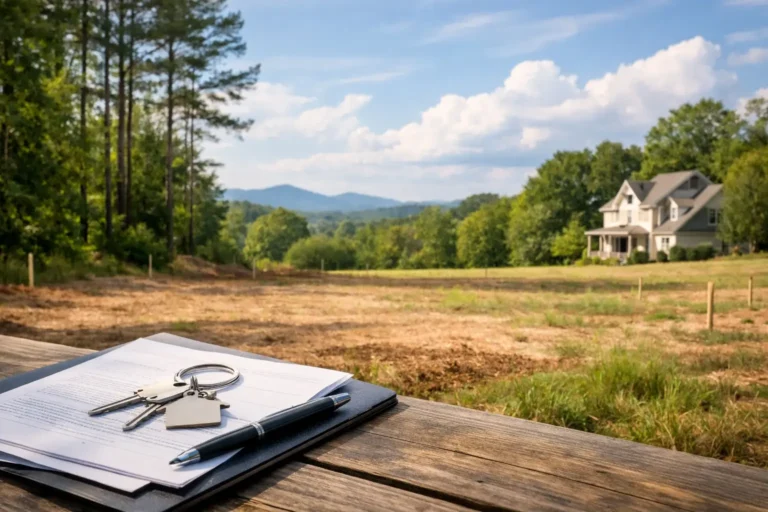
A wooded parcel near Conway, a quiet homesite outside Wilmington, or acreage close to the coast can look like the perfect place for your next home. But the view, road frontage, and acreage count are only the starting point. If you plan to buy land to build a house in Carolina, the most important question is not whether you love the lot. It is whether you can legally, physically, and financially build the home you want on it.
Land purchases require a different level of investigation than an existing-home purchase. A house already answers many critical questions about access, utilities, drainage, and permitted use. Raw or lightly improved land does not. The right preparation protects your plans before you commit to a property that creates delays, unexpected work, or limits on your build.
Start With the House You Want to Build
Before searching for land, define the basic requirements of your future home. Think about the home’s footprint, number of stories, garage, outdoor living areas, driveway, and room for a septic system if public sewer is unavailable. A lot that seems generous on paper may have setbacks, wetlands, easements, drainage features, or soil limitations that reduce the usable building area.
Your goals also affect location. A buyer planning a primary residence may prioritize school access, commute time, medical care, and grocery options. A second-home buyer may focus on beach access, boating, rental rules, or maintenance needs while away. For acreage in Horry, Georgetown, Brunswick, or surrounding counties, consider whether you want privacy without giving up convenient access to everyday services.
Bring a builder into the conversation early when possible. A builder can help you evaluate whether your preferred home plan fits the site, what site work may be required, and whether the property supports your construction timeline. Do not assume a lot can accommodate a plan simply because nearby homes are large.
Verify the Land Can Be Used as Planned
Zoning and land-use rules are foundational. They determine what may be built, where it may sit on the property, and whether the use aligns with your plans. Requirements differ by county, municipality, and subdivision, particularly across the South Carolina and North Carolina line.
Ask the local planning office about the parcel’s current zoning classification, minimum home size requirements, setbacks, height limits, and whether manufactured homes, accessory structures, or detached garages are permitted. If you plan to keep horses, operate a home-based business, add a guest suite, or divide the property later, raise those questions before moving forward.
Check Recorded Restrictions and HOA Rules
A parcel can meet local zoning rules and still be subject to private restrictions. Deed restrictions and homeowners association documents may regulate architectural styles, exterior materials, fencing, outbuildings, parking, tree removal, and construction schedules.
These rules are not necessarily a problem. In many communities, they help maintain consistency and protect the character owners expect. The key is confirming that the requirements work for your home design, builder, and intended use. Read the documents rather than relying on a verbal description of what is allowed.
Confirm Legal and Practical Access
A property needs more than a visible path or dirt drive. Confirm it has legal, recorded access to a public road or a properly documented private road. If access crosses another owner’s land, understand the easement terms, who maintains the road, and whether construction vehicles can use it.
Road conditions matter in coastal and rural areas. A narrow lane, low bridge, shared drive, or soft road surface may affect deliveries, construction equipment, emergency access, and day-to-day convenience. If a new driveway or culvert is needed, determine the applicable approvals before you make plans around it.
Utilities and Soil Can Make or Break a Homesite
Utility availability is one of the biggest distinctions between an attractive lot and a build-ready lot. Do not rely on nearby utility poles or homes as proof that service is simple. Verify the actual connection point and ask what work is required to bring electric, water, sewer, internet, and other needed services to the building site.
Public water and sewer can be a major advantage, but availability may stop at the road or may require extensions. If the property uses a well and septic system, those systems need their own investigation. A septic system depends on soil conditions, lot layout, and local health department approvals. A prior septic permit may be helpful, but confirm its status, location, capacity, and whether it remains valid for your planned home.
For a well, consider likely depth, water quality testing, and placement requirements. The well, septic field, reserve area, driveway, home, and setbacks all need room to coexist. This is why a parcel’s total acreage is less meaningful than its usable acreage.
Understand Drainage, Flood Exposure, and Wetlands
The Carolinas offer beautiful coastal, riverfront, wooded, and low-country properties. Those features can also bring drainage and environmental considerations. Review flood maps, but do not stop there. A parcel outside a mapped flood zone may still have standing water, poor drainage, or site conditions that require additional grading and engineering.
Walk the land after rainfall if you can. Look for washouts, low spots, drainage ditches, wetland vegetation, soft ground, and water marks on trees. Ask whether there are drainage easements or stormwater requirements that affect where you can build.
Wetlands are another issue that deserves professional review. They may limit clearing, fill, driveway routes, and building areas. Coastal communities can also have elevation, wind, and flood-resistance requirements that shape your construction decisions. These are manageable factors when identified early. They become expensive surprises when discovered after plans are underway.
Know Your Financing Path Before Making an Offer
Financing land and financing a completed home are not always the same process. Some buyers use cash for the land, while others use land loans, construction loans, or a combined construction-to-permanent loan. Each path has different requirements for down payment, documentation, builder approval, draw schedules, and the timing of construction.
Talk with a qualified lender before you begin serious land shopping. You need to understand how the land purchase fits into the larger home-building plan, not just whether you can acquire the parcel. A loan structure that works well for one buyer may not be ideal for someone building a custom coastal home, purchasing a rural homesite, or planning to hold land before construction.
Mortgage-informed guidance is particularly valuable here because the purchase decision and construction plan are connected. The Chrzanowski Team at Realty One Group Dockside helps buyers evaluate both the property search and the questions that need answers before moving toward a financing decision.
Make Due Diligence Part of the Contract Strategy
Once you identify a promising parcel, protect time to investigate it thoroughly. The exact approach depends on the property, but your review should address the issues most likely to affect your intended build.
For most buyers, the key items include:
- A current survey or a clear plan to obtain one, including boundary lines, easements, and encroachments.
- Zoning, setbacks, recorded restrictions, and applicable architectural review requirements.
- Utility confirmation, including the availability and route of water, sewer, electric, and internet service.
- Septic and well feasibility when public systems are unavailable.
- Flood, drainage, wetlands, topography, and soil conditions that could affect the building site.
- Road access, driveway approvals, and responsibilities for private-road maintenance.
Use qualified local professionals for the questions that require specialized answers. Surveyors, soil evaluators, engineers, attorneys, builders, inspectors, and local planning staff each serve a different role. The goal is not to make the process complicated. It is to make informed decisions before the property becomes yours.
Choose a Team That Understands Both Carolinas
Buying land is rarely a one-conversation decision. You may need to compare parcels in different counties, coordinate with a builder, review restrictions, and determine which questions belong with the seller, local offices, or a professional consultant. Responsive representation matters because the strongest lots can move quickly, while rushed decisions on land can create long-term limitations.
A knowledgeable real estate team helps you organize the investigation, identify red flags, and keep the process moving without treating every parcel as identical. That is especially useful for buyers relocating to the Coastal Carolinas, where local rules and property conditions can change from one community to the next.
The best lot is not simply the one with the most acreage or the prettiest trees. It is the one that supports your home, your timeline, and the way you intend to live. Start with a clear plan, ask direct questions, and let the answers guide your decision before you fall in love with the view.
